Fresher coffee starts before the grind
Reviewed by the RoastVale team · last updated 2026-08-27
Coffee beans start losing flavor within a couple of weeks of being roasted, which is why coffee that's been sitting on a supermarket shelf for months rarely tastes as good as it could. Roasting at home closes that gap: you're brewing beans that were roasted hours or days ago instead of months, using green coffee that stays fresh for a year or more in storage.
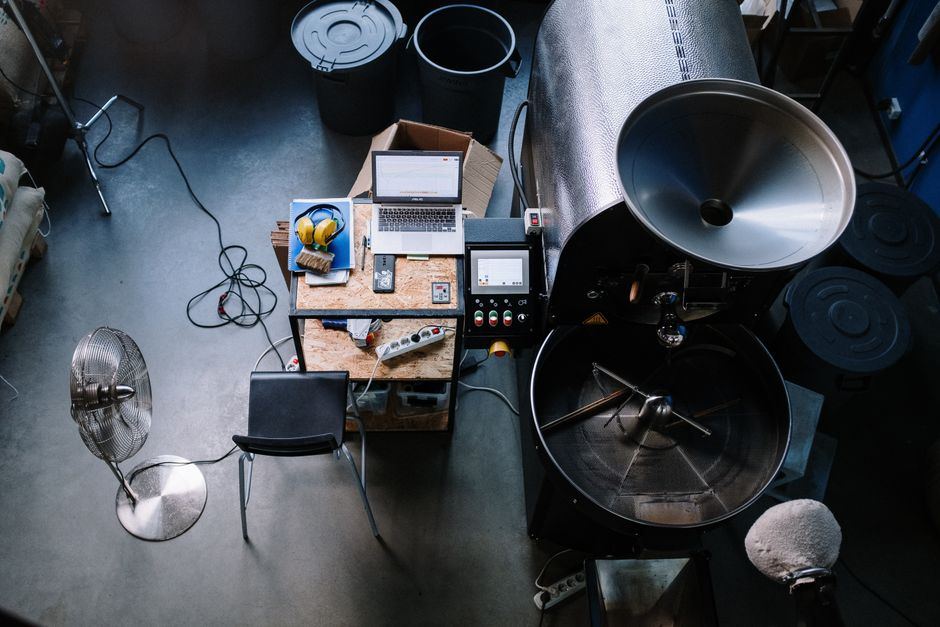
Home coffee roasters fall into two main designs. Fluid-bed (air) roasters use a jet of hot air to tumble the beans, roast fast (often under 10 minutes), and let you watch the color change through a glass chamber, but they produce noticeable chaff and smoke that most people vent near a window or range hood. Drum roasters tumble beans in an enclosed rotating chamber, roast more slowly and evenly, handle bigger batches, and usually include smoke-suppression features that make them easier to run indoors.
Batch size is the practical constraint that matters most day to day: a 4 oz roaster is plenty for one or two cups a day, but anyone roasting for a household or brewing multiple pots needs a machine that handles 8 oz to a full pound per batch, or they'll be roasting every other day just to keep up.
A roaster only gets you halfway to a great cup, though. Freshly roasted beans still need to be ground right before brewing -- pre-ground coffee stales far faster than whole beans -- and if you want the concentrated, syrupy shots that make espresso-based drinks, you'll eventually want a way to pull espresso from those beans too. We cover both below.
Once you've settled on a roaster, two purchases round out the setup: a dedicated burr grinder to keep grind size consistent right up to brew time, and -- if espresso is the goal -- a manual espresso maker that can build the pressure a drip machine simply can't. We cover both in more detail below.
Batch size vs. how much you actually drink
Match batch size to your real coffee habits: a 4 oz roaster suits one or two daily cups, while 8 oz to 1 lb roasters make more sense for households or anyone brewing multiple pots a day, since larger batches mean roasting less often.
Fluid-bed vs. drum roasting
Fluid-bed (air) roasters roast fast and let you see the beans as they darken, but produce more visible chaff and smoke. Drum roasters roast more evenly and usually include smoke suppression, at the cost of losing that direct visual feedback.
Smoke and ventilation
Even a well-reviewed roaster produces some smoke, especially past a medium roast -- check whether a model has smoke suppression built in, and plan to roast near a window, range hood, or in a garage if it doesn't.
Manual control vs. one-touch simplicity
Roasters with independent heat and fan controls (or full manual mode) let you tune a roast profile the way a hobbyist would, while one-touch machines trade that control for consistency and a much shorter learning curve.
Roast level and first/second crack
Listen for 'first crack,' the audible cracking sound beans make as they hit a light roast -- most home roasters recommend stopping there for a lighter cup, or continuing to 'second crack' for a darker, oilier roast.
Grinding and brewing come next
A roaster is only the first step -- freshly roasted beans need a burr grinder for a consistent grind size, and if espresso is the goal, a dedicated espresso maker, since drip machines and pour-over gear can't build the pressure a real shot needs.
Rounding out a full home-roasting setup
A roaster alone gets you fresher beans, but grinding those beans just before brewing and, if you want espresso, a dedicated espresso maker both make a bigger difference in the cup than most people expect -- see our separate comparisons of burr coffee grinders and manual espresso makers.